





Air Conditioner Inspection Services
Reasons to Choose AC Plus
-

Highly rated by our customers with 3,000+ 5-star reviews
-
Fair pricing with affordable financing options available
-
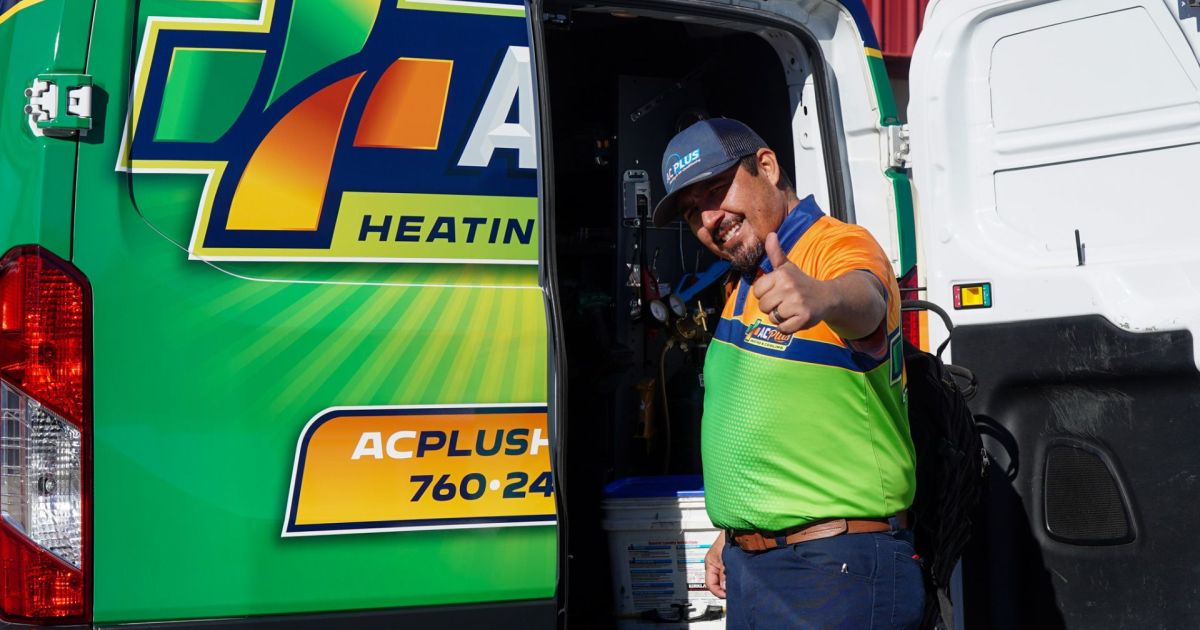
Fully stocked trucks to ensure timely repairs
-
Free estimates for system replacement or installation
-
Industry leading warranties and guarantees

There’s no fuss with the plus! Our team of heating & air conditioning professionals are ready to help. To schedule your service, give us a call at (760) 243-4440.
AC Inspection Services Across Rancho Cucamonga, Victorville, Redlands & Wrightwood
An air conditioner can continue running even while a loose electrical connection, restricted coil, failing capacitor, or drainage problem develops. A professional inspection helps identify these concerns before they cause a breakdown during Southern California’s hottest weather.
AC Plus Heating & Air Conditioning provides air conditioner inspection services throughout the Inland Empire, High Desert, and surrounding Southern California communities. Our licensed and certified technicians evaluate system condition, airflow, electrical operation, cooling performance, and visible components before explaining any recommended service.
Whether you are preparing for summer, buying a home, experiencing inconsistent cooling, or evaluating older equipment, an AC inspection can provide a clearer understanding of the system’s condition.
What Is an Air Conditioner Inspection?
An air conditioner inspection is a structured evaluation of the cooling system. The technician visually examines accessible components, operates the equipment, checks performance, and looks for conditions that may affect reliability, efficiency, or safety.
An inspection may include:
- Thermostat operation
- Air filter condition
- Supply and return airflow
- Temperature change across the system
- Indoor coil condition
- Outdoor condenser condition
- Refrigerant-line condition
- Condensate drainage
- Blower operation
- Fan-motor performance
- Electrical connections
- Capacitors and contactors
- Disconnects and visible wiring
- System startup and shutdown
- Unusual sounds, vibration, or odors
- Visible ductwork problems
The exact checklist depends on the type, age, location, and condition of the equipment.
An inspection identifies existing or developing concerns. Repairs, cleaning, or replacement work beyond the agreed inspection scope should be explained and authorized separately.
Why Are AC Inspections Important in Southern California?
Air conditioners in Southern California often operate for extended periods. High Desert temperatures can remain above 100 degrees during summer, while Inland Empire homes may experience months of sustained cooling demand.
Dust and wind add to the workload. Outdoor coils can collect dirt and debris, filters may load quickly, and electrical components experience repeated startup cycles.
A pre-summer inspection can help identify:
- Electrical components showing wear
- Restricted airflow
- Dirty coils
- Drainage problems
- Weak cooling performance
- Unusual refrigerant-system behavior
- Loose connections
- Damaged insulation
- Thermostat problems
- Debris around the outdoor unit
Finding a developing problem in spring gives homeowners an opportunity to schedule service before peak heat and high seasonal demand.
Schedule an air conditioner inspection with AC Plus Heating & Air Conditioning before Southern California temperatures climb.
When Should You Schedule an AC Inspection?
Most homeowners benefit from having their air-conditioning system professionally checked each year, ideally before the main cooling season.
An additional inspection may be appropriate when:
- The system has not been serviced recently
- Cooling is uneven
- Airflow feels weak
- Energy use has increased
- The equipment makes new noises
- Water collects near the indoor unit
- Ice appears on refrigerant lines or coils
- The air conditioner emits unusual odors
- The system starts and stops repeatedly
- You recently purchased the home
- The property has undergone remodeling
- The equipment has been inactive for an extended period
- You are considering repair or replacement
Annual inspection is often sufficient for modern equipment, while systems showing significant wear or damage may need more frequent attention.
What Happens During an Air Conditioner Inspection?
1. Discussing System Performance
The technician asks about comfort, recent energy use, noises, odors, repair history, and any rooms that are difficult to cool.
2. Checking the Thermostat
The thermostat is reviewed for proper mode, temperature response, programming, and communication with the HVAC equipment.
3. Inspecting the Air Filter
A clogged, damaged, or poorly fitted filter can restrict airflow. The technician checks its condition and confirms that it is installed in the correct direction.
4. Evaluating Indoor Airflow
Supply and return airflow are assessed. Weak airflow may indicate a dirty filter, blower issue, duct restriction, coil problem, or another system fault.
5. Inspecting the Indoor Equipment
The air handler, evaporator coil area, blower components, drain pan, and accessible wiring are checked for visible problems.
6. Inspecting the Outdoor Unit
The technician examines the condenser coil, fan, cabinet, electrical components, refrigerant lines, and surrounding area.
7. Checking Electrical Operation
Accessible electrical connections and components may be tested for safe, dependable operation.
8. Reviewing Condensate Drainage
The drain system is checked for blockage, leakage, or standing water that could cause property damage or interrupt cooling.
9. Testing Cooling Performance
The system is operated, and temperatures may be measured to determine whether it is producing an appropriate cooling response.
10. Explaining the Findings
The technician discusses system condition, maintenance needs, repair recommendations, and any replacement considerations. Upfront pricing is provided before additional work begins.
What Problems Can an AC Inspection Uncover?
A professional inspection may identify:
- Clogged or incorrect air filters
- Dirty indoor or outdoor coils
- Loose electrical connections
- Weak capacitors
- Worn contactors
- Damaged wiring
- Blower problems
- Condenser-fan problems
- Refrigerant-line damage
- Signs of refrigerant leakage
- Drain clogs
- Cracked or overflowing drain pans
- Thermostat malfunctions
- Duct leakage
- Inadequate airflow
- Excessive vibration
- Short cycling
- Improper equipment installation
- Age-related wear
The inspection does not guarantee that no future component will fail. It provides a professional assessment of conditions present and observable during the appointment.
What Is the Difference Between an AC Inspection and Maintenance?
An inspection evaluates system condition and performance. Maintenance includes the cleaning, adjustments, and preventive tasks needed to prepare the equipment for continued operation.
An inspection may reveal that the outdoor coil is dirty. A maintenance service would include approved cleaning procedures. An inspection may identify a weak capacitor, while a repair service would involve replacing it after homeowner authorization.
A complete AC tune-up may include:
- Cleaning the outdoor coil
- Inspecting and changing the filter
- Clearing accessible condensate components
- Tightening electrical connections
- Measuring system performance
- Checking refrigerant-related operation
- Testing the thermostat
- Inspecting the blower
- Lubricating applicable moving parts
- Verifying a complete cooling cycle
Some appointments combine inspection and maintenance. Confirm the scope when scheduling so you understand which services are included.
Can an Inspection Show Whether Refrigerant Is Low?
A technician can assess refrigerant-system operation using temperature, pressure, and other appropriate measurements. Low refrigerant often indicates leakage because a sealed system does not normally consume refrigerant during operation.
Signs that may suggest a refrigerant problem include:
- Weak cooling
- Long operating cycles
- Ice on the coil or refrigerant line
- Hissing sounds
- Unexplained energy increases
- Difficulty reaching the thermostat setting
These symptoms can also result from airflow problems or other failures. Refrigerant should not be added without determining why system performance is abnormal.
Should You Have an AC Inspected Before Buying a Home?
A general home inspection may note the age and basic operation of HVAC equipment, but a dedicated HVAC inspection provides a more focused evaluation.
A professional AC inspection may help a prospective homeowner understand:
- Approximate equipment condition
- Visible installation issues
- Cooling performance
- Signs of deferred maintenance
- Filter and airflow concerns
- Ductwork problems
- Potential near-term repair needs
- Whether replacement planning may be appropriate
The inspection cannot predict the exact remaining life of every component, but it can provide more useful information for budgeting and decision-making.
What Should Homeowners Check Between Inspections?
Homeowners can perform simple visual checks without opening electrical or refrigerant-system components.
Use this checklist:
- Inspect the filter monthly
- Replace dirty filters
- Keep supply and return vents open
- Remove leaves and debris from around the outdoor unit
- Maintain clearance around the condenser
- Watch for water near the indoor equipment
- Listen for new noises
- Note changes in cooling time
- Monitor utility use
- Keep thermostat batteries fresh when applicable
- Schedule service if a breaker repeatedly trips
- Turn the system off if burning odors or smoke appear
Do not use a pressure washer on the outdoor coil or attempt to handle refrigerant. Aggressive cleaning can damage coil fins or electrical components.
When Does an Inspection Lead to Repair or Replacement?
Minor wear, dirt, or an isolated component failure may justify maintenance or repair. Replacement may deserve consideration when:
- The system requires frequent repairs
- A major component has failed
- Equipment is significantly deteriorated
- Parts are unavailable
- Cooling performance remains poor
- The system is improperly sized
- Energy use has increased substantially
- The air conditioner uses an obsolete refrigerant
- Repair cost is high compared with replacement
- The system no longer meets household needs
AC Plus can explain the condition of the equipment and compare available options. A recommendation should account for repair history, age, efficiency, comfort, and expected reliability.
Why Choose AC Plus Heating & Air Conditioning?
An air conditioner inspection is most useful when the technician communicates clearly and considers the entire system.
Homeowners choose AC Plus for:
- Family-owned and operated service
- Southern California experience since 2001
- Licensed, certified, and background-checked technicians
- Thorough system evaluations
- Honest recommendations
- Upfront pricing
- Same-day service when available
- Fully stocked service vehicles
- AC repair, maintenance, and replacement
- Financing options for qualifying installations
- Industry-leading warranties and guarantees
AC Plus provides professional AC inspections in Victorville, Rancho Cucamonga, Apple Valley, Redlands, and surrounding areas. Our inspection process emphasizes system testing, visual evaluation, electrical checks, and clear recommendations.
Contact AC Plus Heating & Air Conditioning today to schedule your air conditioner inspection.
Frequently Asked Questions About AC Inspections
How long does an air conditioner inspection take?
Many residential inspections take approximately one to two hours. Larger systems, multiple units, difficult access, or discovered problems may require more time.
Does the air conditioner need to be running?
The system generally needs to operate so the technician can evaluate its cooling cycle. Weather conditions and equipment problems may affect which tests can be completed.
Will the technician clean the system during an inspection?
Not necessarily. Inspection and maintenance are different services, although they may be combined. Confirm what is included when booking.
Can an inspection prevent every breakdown?
No. Components can fail unexpectedly. Inspections help identify observable wear and performance problems, reducing—but not eliminating—the risk of surprise failures.
Should a new air conditioner be inspected annually?
Yes. New equipment still benefits from regular inspection and maintenance. Ongoing service also helps identify installation, drainage, filter, or airflow problems early.
What if the technician finds a problem?
The technician will explain the finding and recommended next step. You should receive pricing and authorize repair work before it begins.
Schedule Air Conditioner Inspection Service Today
Southern California heat places sustained demand on air-conditioning equipment. A professional inspection can reveal developing problems before they cause a breakdown during the hottest part of summer.
AC Plus Heating & Air Conditioning serves Rancho Cucamonga, Victorville, Redlands, Wrightwood, Apple Valley, San Bernardino, Riverside, Ontario, and surrounding communities.
Schedule your air conditioner inspection with AC Plus Heating & Air Conditioning today.
Service Request
"*" indicates required fields