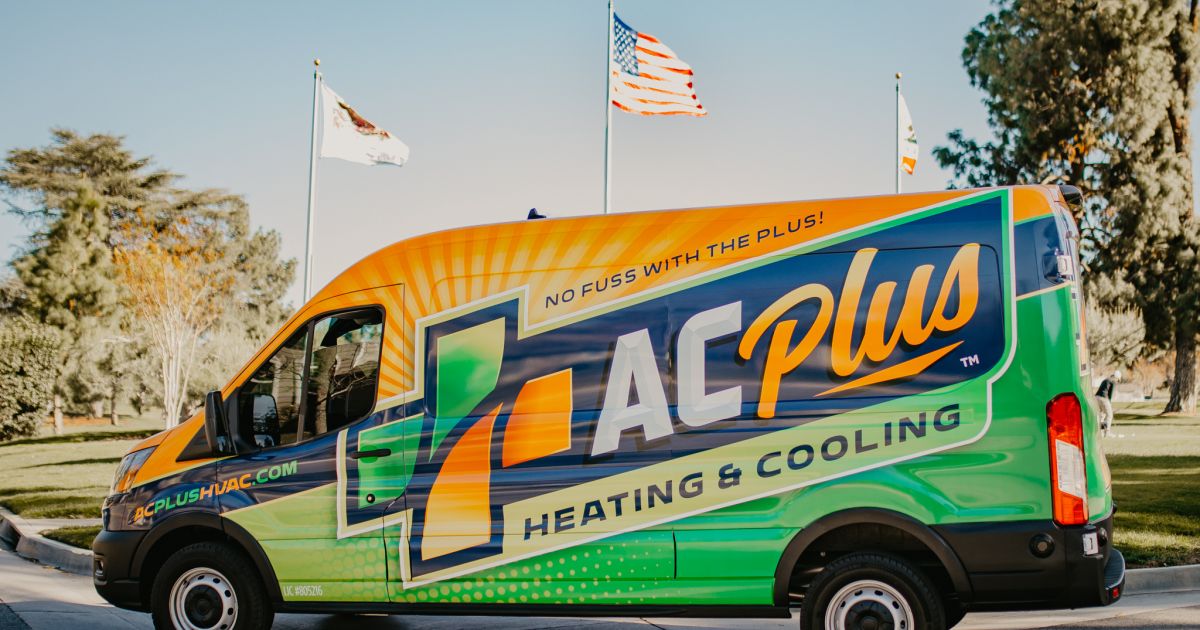
Emergency Furnace Repair across Southern California
Reasons to Choose AC Plus
-

Highly rated by our customers with 3,000+ 5-star reviews
-
Fair pricing with affordable financing options available
-
Fully stocked trucks to ensure timely repairs
-
Free estimates for system replacement or installation
-
Industry leading warranties and guarantees

There’s no fuss with the plus! Our team of heating & air conditioning professionals are ready to help. To schedule your service, give us a call at (760) 243-4440.
Emergency Furnace Repair Across Rancho Cucamonga, Victorville, Redlands & Wrightwood
A furnace breakdown can quickly become more than an inconvenience when outdoor temperatures fall, especially in the High Desert and San Bernardino Mountains. A complete loss of heat, a burning odor, repeated shutdowns, or signs of a combustion problem require prompt attention from a trained professional.
AC Plus Heating & Air Conditioning provides emergency furnace repair across Southern California. Our licensed and certified technicians diagnose gas and electric furnace problems, explain the recommended repair, and provide upfront pricing before work begins.
As a family-owned and operated company serving Southern California since 2001, we understand that heating emergencies do not always occur during convenient business hours. Our team is available to help restore warmth and address urgent furnace problems throughout the Inland Empire, High Desert, and surrounding communities.
What Is Considered a Furnace Emergency?
Not every heating problem is an emergency, but certain symptoms may involve immediate safety risks or leave household members vulnerable to cold conditions.
Request emergency furnace service if:
- The furnace produces smoke
- You notice a strong burning or electrical odor
- A carbon monoxide alarm activates
- You suspect a natural gas leak
- The furnace makes loud banging, grinding, or popping sounds
- Electrical components spark
- The system overheats or repeatedly trips a breaker
- The furnace will not operate during freezing weather
- The unit turns on but produces no heat
- The system repeatedly starts and shuts down
- Vulnerable household members are without adequate heat
If you smell gas, hear escaping gas, or a carbon monoxide alarm sounds, leave the home immediately. Do not use switches, flames, appliances, or electronics inside the building. Contact emergency services or the gas utility from a safe location before requesting HVAC repairs.
HVAC technicians repair furnaces, but suspected fuel leaks and active carbon monoxide emergencies must first be handled according to emergency and utility-provider instructions.
Why Do Southern California Homes Need Emergency Heating Service?
Southern California’s daytime weather can be mild, but nighttime temperatures may fall sharply. Victorville, Apple Valley, Wrightwood, and other elevated or desert communities can experience freezing conditions. Even homes in Rancho Cucamonga, Redlands, San Bernardino, Riverside, and Ontario rely on dependable heating during winter cold spells.
Furnace failures are particularly disruptive because many systems sit unused through much of the year. When homeowners turn on the heat for the first cold night, accumulated dust, worn ignition components, damaged wiring, or neglected maintenance may cause problems.
A furnace may also fail after:
- A power outage
- A thermostat malfunction
- A clogged filter
- An electrical surge
- Prolonged operation
- Delayed seasonal maintenance
- Normal component wear
- Renovation or ductwork changes
Prompt diagnosis helps distinguish a simple control issue from a potentially unsafe condition.
Need urgent furnace repair? Contact AC Plus Heating & Air Conditioning now for professional emergency service.
What Should You Do When Your Furnace Stops Working?
Before requesting service, homeowners can perform several safe checks. Do not remove furnace panels or attempt repairs involving gas, burners, wiring, or internal safety controls.
Check the Thermostat
Confirm that the thermostat is set to “heat” and that the desired temperature is higher than the current room temperature. Replace the batteries if the display is blank and the model uses batteries.
Check the HVAC Filter
A heavily clogged filter can restrict airflow and cause some furnaces to overheat and shut down. If the filter is visibly dirty, replace it with the correct size and type.
Check the Circuit Breaker
Look for a tripped breaker serving the furnace or air handler. Reset it once if it is safe to do so. If the breaker trips again, leave it off and request professional service.
Check the Furnace Switch
Many furnaces have a nearby wall switch that resembles a light switch. Confirm that it has not been turned off accidentally.
Check Accessible Vents
Make sure supply and return vents are open and unobstructed. Closed vents can contribute to airflow problems.
Stop if You Notice a Safety Warning
Do not continue troubleshooting if you smell gas, see smoke, notice sparks, hear violent mechanical noises, or receive a carbon monoxide alert. Leave the home when appropriate and contact emergency assistance.
What Causes a Furnace to Stop Heating?
A furnace is a system of electrical, mechanical, airflow, and—when applicable—combustion components. Failure in any one of these areas can interrupt heating.
Common causes include:
- Failed igniter
- Dirty or malfunctioning flame sensor
- Defective thermostat
- Worn blower motor
- Failed capacitor
- Damaged control board
- Limit-switch problems
- Loose or damaged wiring
- Clogged air filter
- Restricted airflow
- Blocked condensate drain
- Faulty pressure switch
- Burner problems
- Fuel-supply interruption
- Damaged ductwork
- Overheating
- Tripped electrical protection
The visible symptom does not always reveal the underlying problem. For example, repeated short cycling may result from restricted airflow, an overheating furnace, an incorrect thermostat signal, or equipment sizing issues.
Professional testing identifies the actual cause and helps prevent unnecessary parts replacement.
How Does Emergency Furnace Diagnosis Work?
An emergency service call begins with safety and system condition.
1. Reviewing the Problem
The technician asks when the issue began, what symptoms occurred, and whether the furnace stopped after an outage, unusual noise, odor, or recent service.
2. Inspecting the Furnace
Accessible components are checked for overheating, damage, dirt, loose connections, and excessive wear.
3. Testing the Heating Cycle
When safe, the technician observes startup, ignition, heating, airflow, and shutdown. The point at which the sequence stops often helps isolate the problem.
4. Checking Controls and Safety Devices
The thermostat, control board, switches, sensors, and relevant electrical components are tested.
5. Evaluating Airflow
The filter, blower, coil, registers, and accessible ductwork may be examined for restrictions.
6. Explaining the Findings
You receive a clear explanation of the problem, recommended repair, and pricing. If more than one reasonable option exists, the technician can explain the advantages and tradeoffs.
7. Completing and Testing the Repair
After authorization, the technician repairs the system and runs it through a complete cycle to confirm safe, dependable operation.
AC Plus uses fully stocked service vehicles to support timely repairs and offers emergency heating assistance throughout its Southern California service area.
What Furnace Problems Can Be Repaired During an Emergency Visit?
Many common failures can be addressed during the initial appointment when the necessary part is available.
Emergency furnace repairs may include:
- Igniter replacement
- Flame-sensor service
- Thermostat repair or replacement
- Capacitor replacement
- Electrical connection repair
- Blower component repair
- Control-board replacement
- Switch or sensor replacement
- Airflow correction
- Filter replacement
- Condensate drain clearing
- Burner adjustment or cleaning
- Correction of minor wiring faults
If the furnace requires a specialized component that is not immediately available, the technician will explain the next step. When appropriate, the system may need to remain off until the repair can be safely completed.
When Should an Emergency Furnace Be Replaced?
A breakdown does not automatically mean the furnace needs replacement. Repair is often appropriate when the equipment is otherwise in good condition and the failed part can be replaced safely and economically.
Replacement may be more practical when:
- The furnace has a serious heat-exchanger problem
- Essential parts are no longer available
- The system requires frequent repairs
- Repair costs are high compared with replacement
- The furnace is near the end of its service life
- Heating remains uneven after previous work
- Energy use has increased significantly
- The equipment is improperly sized
- The system has recurring safety concerns
AC Plus can provide a repair-versus-replacement comparison based on system condition, expected reliability, repair cost, equipment efficiency, and your household priorities.
When replacement is recommended, we can discuss properly sized equipment, efficiency levels, warranties, available comfort features, and financing options.
What Are the Risks of Delaying Furnace Repair?
Continuing to operate a malfunctioning furnace may:
- Allow a damaged component to fail completely
- Increase stress on the blower or electrical system
- Cause repeated overheating
- Reduce heating efficiency
- Create more extensive repair needs
- Leave the home without heat during colder weather
- Worsen certain safety hazards
- Increase the risk of frozen plumbing in exposed areas
A furnace that operates intermittently should still be inspected. Temporary operation does not mean the underlying problem has resolved.
How Can You Reduce the Risk of a Furnace Emergency?
Not every breakdown can be prevented, but routine maintenance can identify many developing problems before winter.
Homeowners can reduce risk by:
- Scheduling annual furnace maintenance
- Replacing filters on schedule
- Keeping return and supply vents open
- Testing carbon monoxide detectors
- Keeping the furnace area clear
- Addressing unusual noises promptly
- Watching for unexplained increases in heating costs
- Replacing weak thermostat batteries
- Scheduling service before cold weather arrives
- Avoiding unqualified furnace repairs
A seasonal tune-up may include burner cleaning, electrical inspection, gas-pressure checks when applicable, safety-control testing, airflow evaluation, and a complete operational cycle.
Why Choose AC Plus Heating & Air Conditioning?
An emergency furnace visit should deliver more than a temporary reset. The technician should identify why the system failed, explain the repair, and confirm that the furnace can return to service safely.
Homeowners choose AC Plus for:
- Family-owned and operated service
- Southern California experience since 2001
- Licensed, certified, and background-checked technicians
- Emergency heating service
- Same-day solutions when available
- Fully stocked service vehicles
- Honest system diagnosis
- Upfront pricing
- Furnace repair and replacement options
- Industry-leading warranties and guarantees
- Financing options for qualifying installations
We serve Rancho Cucamonga, Victorville, Redlands, Wrightwood, Apple Valley, San Bernardino, Riverside, Ontario, and surrounding Southern California communities.
For urgent furnace service, call AC Plus Heating & Air Conditioning today.
Frequently Asked Questions About Emergency Furnace Repair
Do you provide emergency furnace service after normal business hours?
AC Plus offers emergency furnace service, with same-day service when available. Contact our team directly to confirm technician availability and the expected response time for your location.
Why is my furnace blowing cold air?
Cold airflow may result from thermostat settings, ignition failure, burner problems, overheating, a dirty filter, or a heat pump operating in a normal defrost cycle. A technician can identify the cause.
Should I reset my furnace?
You may check the thermostat, furnace switch, filter, and breaker. Do not repeatedly reset a system that continues shutting down, and never bypass a safety device.
Is a burning smell normal when the furnace starts?
A mild dusty odor may occur briefly during the first heating cycle of the season. A persistent burning, electrical, plastic, or smoky odor is not normal and warrants prompt service.
What should I do if the carbon monoxide alarm sounds?
Follow the alarm manufacturer’s instructions, leave the home, and contact emergency services or the gas utility from a safe location. Do not reenter until authorized.
Can a dirty filter cause an emergency shutdown?
Yes. Restricted airflow may cause certain furnaces to overheat and activate a safety limit. Replacing the filter may help, but repeated shutdowns require professional diagnosis.
Request Emergency Furnace Repair Across Southern California
When your furnace fails, clear guidance and prompt service matter. AC Plus Heating & Air Conditioning responds to urgent heating problems with professional diagnostics, straightforward recommendations, and upfront pricing.
Whether your furnace stops working during a freezing Victorville night or develops a dangerous odor in Rancho Cucamonga, our team is ready to help protect your home and restore dependable heat.
Contact AC Plus Heating & Air Conditioning now for emergency furnace repair across Southern California.
Service Request
"*" indicates required fields