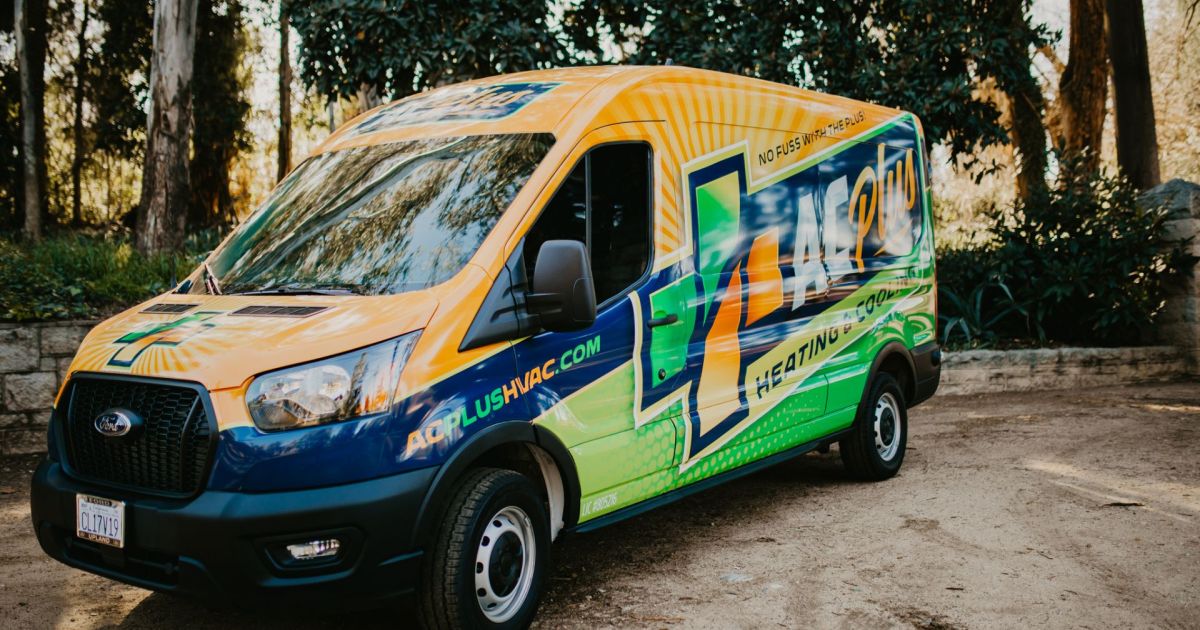
Heating System Inspection across Southern California
Reasons to Choose AC Plus
-

Highly rated by our customers with 3,000+ 5-star reviews
-
Fair pricing with affordable financing options available
-
Fully stocked trucks to ensure timely repairs
-
Free estimates for system replacement or installation
-
Industry leading warranties and guarantees

There’s no fuss with the plus! Our team of heating & air conditioning professionals are ready to help. To schedule your service, give us a call at (760) 243-4440.
Heating System Inspection Across Rancho Cucamonga, Victorville, Redlands & Wrightwood
A heating system can continue operating while worn electrical parts, airflow restrictions, ignition problems, or safety concerns develop. A professional inspection helps identify these conditions before they cause an unexpected breakdown or leave your home without heat.
AC Plus Heating & Air Conditioning provides heating system inspections across Southern California. Our licensed and certified technicians evaluate furnaces, heat pumps, ductless systems, thermostats, airflow, and accessible safety components.
Whether you are preparing for winter, buying a home, evaluating older equipment, or investigating a change in performance, a heating inspection provides useful information about the condition of your system.
What Is a Heating System Inspection?
A heating system inspection is a structured evaluation of the equipment and its operation. The technician visually examines accessible components, runs the system when safe, takes appropriate measurements, and identifies conditions that may require maintenance or repair.
Depending on the type of heater, an inspection may cover:
- Thermostat operation
- Air filter condition
- Supply and return airflow
- Blower performance
- Electrical connections
- Ignition components
- Burner operation
- Heat exchanger condition in accessible areas
- Safety controls
- Venting and combustion components
- Gas connections and pressure when applicable
- Heat pump coils
- Refrigerant-line condition
- Reversing-valve operation
- Defrost controls
- Condensate drainage
- Auxiliary heat
- Visible ductwork
- Startup and shutdown
The inspection scope varies by equipment type, installation, accessibility, and current operating conditions.
Why Are Heating Inspections Important in Southern California?
Heating equipment in Southern California may remain unused for several months. During that time, filters can collect dust, electrical connections can deteriorate, pests may enter equipment areas, and existing mechanical problems can go unnoticed.
When temperatures fall, the heater must suddenly begin operating for long periods.
Heating needs also vary throughout the region:
- Victorville and Apple Valley experience cold High Desert nights
- Wrightwood and nearby mountain communities face freezing temperatures and snow
- Rancho Cucamonga and Redlands experience cool foothill winters
- Riverside, Ontario, and San Bernardino still rely on heating during winter cold spells
A pre-season inspection helps confirm that the system starts, heats, moves air, and shuts down properly before cold weather arrives.
Schedule a heating system inspection with AC Plus Heating & Air Conditioning before the next cold spell.
When Should You Schedule a Heating Inspection?
Annual inspection before regular winter use is a practical approach for most homes.
Additional inspections may be appropriate when:
- The system has not been serviced recently
- Heating performance has declined
- Some rooms remain cold
- The heater cycles frequently
- Energy use has increased
- New noises or odors appear
- A carbon monoxide alarm has activated
- The system repeatedly trips a breaker
- You recently purchased the property
- The home has undergone remodeling
- The equipment has been inactive for a long time
- A previous repair did not resolve the problem
- You are considering replacement
Heat pumps operate during both summer and winter, so they may benefit from inspection before both periods of heavy use.
What Are the Signs That a Heater Needs Immediate Inspection?
Certain symptoms should not wait for routine seasonal service.
Request prompt attention if:
- The system produces smoke
- A burning or electrical odor persists
- You smell natural gas
- A carbon monoxide alarm activates
- The furnace makes loud banging or popping noises
- The unit overheats or shuts down repeatedly
- A breaker repeatedly trips
- The heater does not produce warm air
- Heavy ice develops on a heat pump
- Electrical components spark
- Water collects around the equipment
If you suspect a gas leak or receive a carbon monoxide alert, leave the home immediately. Avoid switches, flames, and electronics inside the building. Contact emergency services or the utility provider from a safe location before arranging HVAC service.
What Happens During a Furnace Inspection?
A furnace inspection focuses on the components involved in producing and distributing heat.
Thermostat Check
The thermostat is tested for proper settings, temperature response, wiring, programming, and communication with the furnace.
Filter and Airflow Evaluation
The technician checks filter size, fit, orientation, and condition. Restricted airflow can cause overheating and repeated safety shutdowns.
Ignition Inspection
The igniter, pilot system when present, flame sensor, and related controls are examined for reliable startup.
Burner Evaluation
Burner operation and visible flame characteristics are observed when applicable. Dirty or improperly operating burners may require cleaning or further diagnosis.
Electrical Inspection
Accessible wiring, capacitors, motors, switches, and control components are checked for wear or damage.
Blower Inspection
The blower moves heated air through the ducts. Dirt, motor wear, or wheel damage can reduce airflow and increase noise.
Safety-Control Testing
Limit switches and other safety devices are evaluated. Safety controls should never be bypassed.
Venting Review
Accessible venting components are checked for visible damage, improper connections, or obstruction concerns.
Operating-Cycle Test
The technician observes startup, heating, airflow, and shutdown to confirm that the sequence proceeds properly.
What Happens During a Heat Pump Inspection?
A heat pump inspection covers both heating and cooling-related components because the equipment uses the same refrigeration system in both seasons.
The technician may inspect:
- Indoor and outdoor coils
- Air filters
- Blower and fan motors
- Refrigerant lines
- Electrical components
- Reversing valve
- Defrost controls
- Thermostat
- Auxiliary heat
- Condensate drainage
- Temperature response
- Outdoor-unit clearance
- Visible signs of leakage or damage
Light frost on the outdoor coil can be normal during heating operation. Thick ice that does not clear may indicate a defrost, airflow, fan, sensor, or refrigerant-system problem.
Can a Heating Inspection Detect Carbon Monoxide?
A heating inspection can identify conditions that may justify further safety testing, such as visible combustion or venting concerns. Technicians may use appropriate instruments as part of the service scope.
However, a periodic HVAC inspection does not replace properly installed carbon monoxide alarms. Homeowners should:
- Install alarms according to applicable guidance
- Test them regularly
- Replace batteries and expired devices
- Never ignore an alarm
- Leave the home when an alarm activates
- Contact emergency services or the gas utility
Carbon monoxide is colorless and odorless. Do not rely on smell or visible furnace behavior to determine whether the home is safe.
What Can a Heating Inspection Find?
A professional inspection may identify:
- Dirty or damaged filters
- Restricted airflow
- Blower wear
- Loose electrical connections
- Weak capacitors
- Ignition problems
- Dirty flame sensors
- Burner concerns
- Safety-control faults
- Venting problems
- Thermostat malfunctions
- Condensate-drain clogs
- Heat pump defrost problems
- Refrigerant-system concerns
- Damaged line insulation
- Duct leakage
- Improper system cycling
- Installation deficiencies
- Age-related deterioration
The inspection provides a snapshot of observable system condition. It cannot guarantee that every component will continue operating for a specific period.
What Is the Difference Between Inspection and Maintenance?
An inspection evaluates condition. Maintenance includes preventive cleaning, adjustment, and service.
For example:
- An inspection may identify a dirty burner assembly
- Maintenance includes approved cleaning
- An inspection may identify a weak capacitor
- Repair includes replacing the component
- An inspection may reveal a clogged filter
- Maintenance or homeowner service includes installing the correct replacement
- An inspection may find duct leakage
- Duct sealing addresses the air loss
Some appointments combine inspection and maintenance. Confirm the included scope when scheduling.
Should You Have the Heater Inspected Before Buying a Home?
A general home inspection may confirm that the heater turns on, but a dedicated HVAC evaluation provides more detailed information.
A professional inspection may help identify:
- Approximate equipment condition
- Visible installation problems
- Signs of deferred maintenance
- Airflow concerns
- Thermostat issues
- Unusual operating noise
- Potential repair needs
- Whether replacement planning may be appropriate
The inspection cannot predict the exact remaining life of the equipment, but it can help buyers understand likely near-term service needs.
Can an Inspection Determine Whether the Heater Should Be Replaced?
An inspection can provide important evidence for a repair-versus-replacement decision.
Repair may be reasonable when:
- The system is otherwise dependable
- The failed component is available
- Repair cost is manageable
- Heating remains consistent
- No major safety concern exists
Replacement may deserve consideration when:
- Repairs occur frequently
- A major component has failed
- Parts are no longer available
- The system has recurring safety problems
- Heating is consistently uneven
- Energy use has increased significantly
- Equipment is improperly sized
- Repair cost is high compared with replacement
AC Plus can explain the findings, expected repair scope, and available replacement options without relying on age alone.
What Can Homeowners Inspect Safely?
Between professional visits, homeowners can:
- Check the air filter monthly
- Replace dirty filters
- Keep vents open
- Remove objects blocking return grilles
- Test smoke and carbon monoxide alarms
- Keep the furnace area clear
- Remove debris around an outdoor heat pump
- Watch for water near equipment
- Note changes in noise or airflow
- Replace thermostat batteries
- Monitor heating costs
Do not remove internal panels or attempt repairs involving gas, combustion, line-voltage electricity, refrigerant, or safety controls.
Why Choose AC Plus Heating & Air Conditioning?
A meaningful heating inspection requires knowledge of the specific equipment and clear communication about the findings.
Homeowners choose AC Plus for:
- Family-owned and operated service
- Southern California experience since 2001
- Licensed, certified, and background-checked technicians
- Furnace and heat pump expertise
- Ducted and ductless system evaluations
- Honest recommendations
- Upfront pricing
- Same-day service when available
- Emergency heating assistance
- Fully stocked service vehicles
- Repair, maintenance, installation, and replacement services
AC Plus provides comprehensive heating services throughout Victorville, Rancho Cucamonga, Apple Valley, Redlands, and surrounding Southern California communities.
Contact AC Plus Heating & Air Conditioning today to schedule a professional heating system inspection.
Frequently Asked Questions About Heating Inspections
How long does a heating inspection take?
Many residential inspections take approximately one to two hours. Multiple systems, complex equipment, difficult access, or discovered problems may require more time.
Should the heater be inspected every year?
Annual inspection is a practical schedule for most residential heating systems. Follow the manufacturer’s requirements and your technician’s recommendations.
Does an inspection include repairs?
Not automatically. The technician will explain any recommended repair and provide pricing before additional work begins.
Can I inspect a furnace heat exchanger myself?
No. Heat exchanger evaluation requires training, access, and appropriate equipment. Do not remove furnace panels or attempt combustion-system repairs.
Is an inspection necessary for a new heater?
Yes. New equipment still benefits from regular inspection and maintenance. Service can identify filter, drainage, airflow, control, or installation issues early.
Does a heat pump need a different inspection from a furnace?
Yes. Heat pumps have refrigerant, reversing-valve, defrost, and outdoor-coil components that furnaces do not. Furnaces require combustion and venting checks when applicable.
Schedule a Heating System Inspection Across Southern California
A heating inspection can reveal airflow, electrical, combustion, control, drainage, duct, and equipment concerns before they cause a winter breakdown.
AC Plus Heating & Air Conditioning serves Rancho Cucamonga, Victorville, Redlands, Wrightwood, Apple Valley, San Bernardino, Riverside, Ontario, and surrounding communities.
Schedule your heating system inspection with AC Plus Heating & Air Conditioning today.
Service Request
"*" indicates required fields